
The move goes beyond packaging, with experts suggesting it could improve consumer trust, curb misleading claims and support category growth
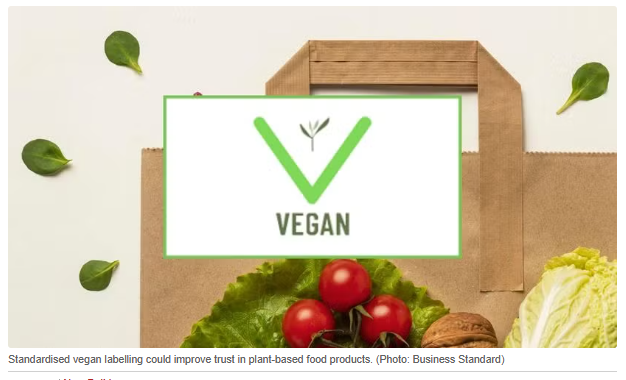
As supermarket shelves fill up with products labelled vegan, plant-based, dairy-free, and cruelty-free, many consumers are left wondering what those claims actually mean. India’s food regulator now wants to change that.
The Food Safety and Standards Authority of India (FSSAI) has mandated that all approved vegan food products carry a standardised vegan logo from July 2027. While the move may appear to be a simple packaging update, industry experts believe it could play a much larger role in shaping consumer trust, improving transparency and helping India’s plant-based food sector move closer to the mainstream.
More than just a symbol
India’s plant-based food market has grown steadily in recent years, driven by rising awareness around health, sustainability and ethical consumption. However, the category continues to face a key challenge: consumer confusion.
“FSSAI’s decision to introduce a standardised vegan logo is a positive and much-needed step for India’s growing plant-based food industry. As more consumers explore vegan and plant-based options, having a clear and trusted label on products will make it easier for them to understand exactly what they are buying and consuming,” said Dhruv Tomar, Founder of Paper Pro, a food safety and diagnostics company.
According to experts, the logo could become a trusted marker that helps consumers quickly identify products that comply with defined vegan standards.
Ashish Pandey, Director and Co-Founder of BuyBuyCart, a grocery retail platform, said trust remains one of the biggest factors influencing first-time purchases in the category.
“The FSSAI vegan logo mandate is a big deal for India’s growing plant-based sector. With a government-certified mark, consumers get assurance that the foods really meet vegan standards,” he said.
Pandey added that growing concerns around health, sustainability and ethical consumption could encourage more brands to enter the segment as regulations create greater confidence among consumers.
Tackling confusion around food labels
One of the biggest benefits of a standardised logo could be its ability to simplify purchasing decisions.
Consumers are increasingly exposed to claims such as vegan, plant-based, dairy-free and vegetarian. While these terms are often used interchangeably in everyday conversations, they do not necessarily mean the same thing.
“At present, terms like ‘vegan’, ‘plant-based’, ‘dairy-free’, and even ‘vegetarian’ can sometimes create confusion because they don’t always mean the same thing. A recognised vegan logo can help bring greater clarity and confidence, ensuring that consumers can quickly identify products that genuinely meet vegan standards,” Tomar said.
Pandey echoed this view and noted that an easily identifiable FSSAI-approved logo could help shoppers make informed decisions without having to interpret multiple claims on packaging.
Dr Umesh Wadhavani, a Pune-based diet coach and wellness expert, said the move addresses a gap that has existed for years.
“The introduction of a dedicated vegan logo by FSSAI is a welcome step towards greater transparency in food labelling. Until now, consumers have largely relied on the green vegetarian symbol, which does not necessarily indicate that a product is free from all animal-derived ingredients, as required under vegan standards,” he said.
He added that vegan consumers and individuals with dairy allergies often spend significant time examining ingredient lists, and a clearly identifiable vegan certification could simplify this process and help consumers.
Could it curb misleading claims?
Experts point out that as consumer interest in sustainable and plant-based products has increased, some brands have relied on green packaging and sustainability claims to create a vegan perception without necessarily complying with formal vegan standards.
“The move also has the potential to distinguish genuinely certified vegan products from marketing-driven claims,” said Wadhavani.
Pandey believes the framework will encourage companies to substantiate their claims through certification and compliance.
Some products currently marketed as plant-based may need to reassess their positioning if they do not meet the regulatory requirements associated with vegan certification, say experts. As a result, consumers may gain greater confidence that products carrying the logo have undergone a defined verification process.
According to experts, categories such as plant-based milk alternatives, meat substitutes, wellness beverages and vegan snacks could see the biggest gains from improved transparency and consumer confidence.
Compliance challenges for brands
While the industry has more than a year to prepare, compliance will not be without challenges.
Experts point to areas such as ingredient sourcing, supplier verification, supply-chain audits and preventing cross-contamination during manufacturing and storage.
Tomar noted that brands may need to invest more heavily in compliance systems and supplier checks. However, he believes these efforts will strengthen credibility over time.
Pandey added that smaller companies may face additional costs related to documentation, traceability systems and third-party verification. “However, these investments could ultimately help improve overall quality standards within the sector,” he noted.
Part of a larger transparency push
The vegan logo mandate also reflects a broader shift in the way consumers engage with food products.
People today are paying closer attention to ingredient lists, sourcing practices and product claims. As a result, regulators are placing greater emphasis on clear labelling and transparency.
“Consumers today are paying much closer attention to product labels and want reassurance that the claims made on packaging are accurate and transparent,” Tomar said.
Pandey believes this growing demand for information is driving FSSAI’s increasing focus on consumer-facing labels. Similar efforts can be seen in existing vegetarian and non-vegetarian symbols as well as discussions around front-of-pack nutrition disclosures.
Experts say that if implemented effectively, the vegan logo could help build consumer trust while giving India’s emerging plant-based food sector a clearer and more credible identity.
Article Credit: business-standard