
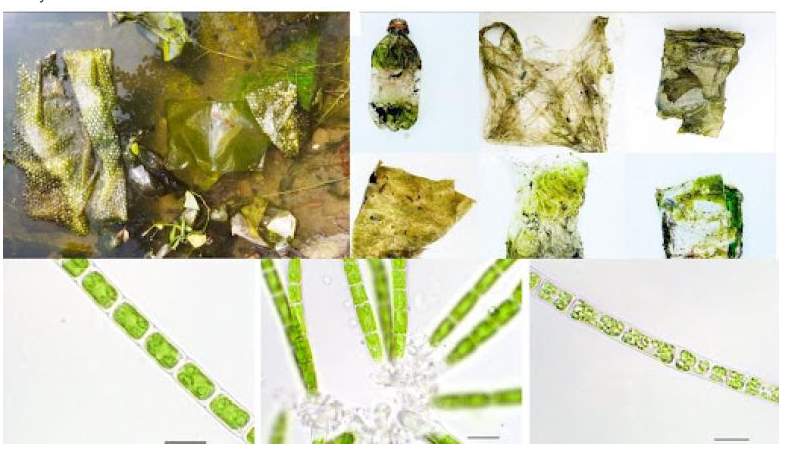
Scientists at the University of Madras in Chennai have discovered a microscopic freshwater alga that can effectively break down some of the most stubborn plastics polluting our waterways. Their research reveals that a specific strain of microalgae called Uronema trentonense can degrade up to 27% of high-density polyethylene (HDPE) and 21% of low-density polyethylene (LDPE) over 12 weeks. These are the highly durable plastics commonly used to make milk packets, shampoo bottles, and everyday grocery bags. Driven by the urgent need to address the global crisis of single-use plastic waste accumulating in lakes and rivers, the research team isolated these algae from plastic debris in a local lake and exposed them to common household plastics in a laboratory setting to observe their remarkable plastic-eating abilities.
The researchers began their investigation by collecting domestic plastic waste from Rajakilpakkam Lake, a freshwater body in Chennai that is heavily contaminated by industrial and domestic discharges. They scraped the slimy, green algal layers off the collected plastics to isolate the naturally occurring microalgae on the surface. Back in the laboratory, they tested ten different algae species by placing them in liquid-filled flasks alongside sterilised pieces of various plastics. Over the next 12 weeks, they closely monitored how the algae grew and interacted with the materials. Using scanning electron microscopes, the scientists observed the physical toll the algae took on the materials, revealing deep cracks, eroded textures, and nanoscale roughness on once-smooth plastic surfaces.
When Uronema trentonense attach to the unnatural, water-repelling surface of the plastic, they experience severe environmental stress. In response, they alter their internal cellular metabolism and produce a thick, protective shield of sugars and proteins known as extracellular polymeric substances. At the same time, the algae generate reactive oxygen species, which are highly reactive molecules that cause oxidative damage to the plastic’s surface. This effectively weakens the strong chemical bonds of the polymer chains. Once the plastic’s outer defence is damaged, the algae release specialised lipase-like enzymes.
These enzymes act like microscopic scissors, cleaving the complex plastic polymers into simpler molecules like fatty acids. The algae then absorb these smaller molecules, essentially digesting the plastic waste and converting it into energy stored as cellular lipids.
While other microbes, like bacteria and fungi, have been used for environmental cleanup through a process called bioremediation, they often release harmful toxins into the environment, posing a potential threat to human health and aquatic ecosystems. Microalgae, on the other hand, do not produce these dangerous toxins. Furthermore, microalgae are photoautotrophic, meaning they use sunlight to survive and do not require additional carbon sources to sustain themselves during the initial colonisation phase.
The research provides a vital step forward in addressing one of the modern world’s most pressing environmental challenges. By harnessing the natural biological mechanisms of freshwater microalgae to safely dismantle recalcitrant plastics, society could develop highly sustainable, eco-friendly waste management technologies. This natural recycling method aligns perfectly with global sustainability goals, offering a promising, toxin-free pathway to clean up our increasingly choked aquatic ecosystems and restore the health of our planet.
Article Credit: researchmatters