
Rising demand for protein and fibre-rich vegetable-led meals boosts plant-based sales, as UK shoppers seek healthier, natural foods and cooking control.
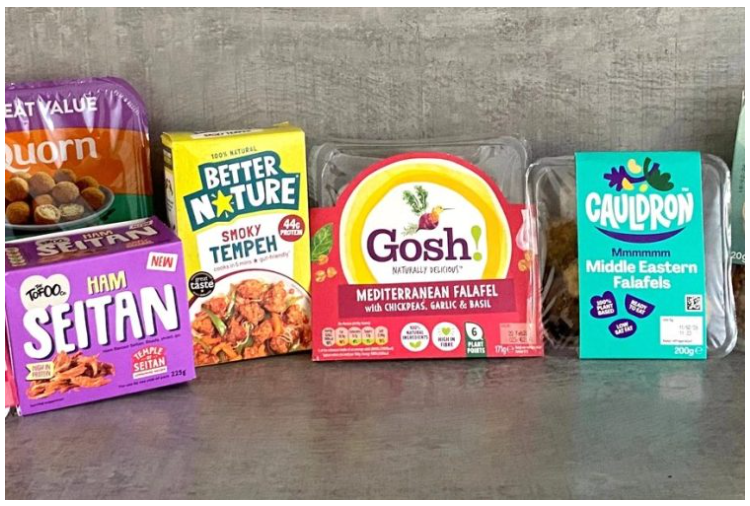
Plant-based food is back in growth across the UK for the first time in several years, driven by a surge in vegetable-led scratch cooking and rising demand for natural, protein and fibre-rich ingredients.
New data from retail analysts Nielsen shows volume sales of chilled plant-based foods rose by just under one per cent across UK supermarkets over the past year, accelerating to 1.7 per cent growth in the latest 12 weeks (Nielsen, 28 December 2025).
The uplift comes as consumers move away from heavily processed meat alternatives and towards whole-food plant ingredients that offer greater control, health benefits and value.
Retail demand strengthens for core plant proteins
Retailer Tesco says the trend is being reflected in shopper behaviour, with customers becoming more selective and actively seeking foods that support long-term health and wellbeing. This has driven strong growth in core plant-based ingredients, with tofu and tempeh sales rising by more than 10 per cent over the past year.
Plant-based mince has seen the strongest uplift at Tesco, with demand up by nearly 25 per cent year on year. Plant-based proteins including tofu, tempeh and seitan are up 12 per cent, while plant-based snacking options such as falafels, picnic eggs and mini sausages have grown by more than five per cent.
Tesco plant-based food buyer Bethan Jones said the retailer is beginning to see early signs of recovery across the UK plant-based sector, driven by more shoppers placing long-term health and wellbeing at the centre of their food choices.
She said vegetables and plant foods are increasingly being viewed “not as a passing preference, but as a fundamental part of how people expect to eat in the future.”
Jones added:
“The plant-based movement emerged as the fastest-growing food trend of the late 20th century, fuelled by demand for meat alternatives and a heightened awareness of sustainability. However, economic pressures and the fading novelty of early experimentation among casual consumers meant that this rapid growth was difficult to maintain.
Now, momentum is returning in a more grounded form. A growing micro-trend focused on whole-food plant proteins – including beans, lentils, chickpeas, tofu and wholegrains – is helping to drive renewed sales, signalling a shift from short-term trend to lasting dietary change.”
Shift from novelty to everyday eating
The plant-based food revolution peaked during lockdown, but since then shoppers have become more discerning, increasingly preferring to cook from scratch rather than rely on ready-made alternatives.
Brands focused on simple, natural ingredients are benefiting from this change. Plant-based brand Gosh! has reported six per cent volume growth for its Moroccan Falafel over the past 52 weeks.
Gosh! marketing director Caroline Hughes said:
“As more people eat their way to happier, healthier lifestyles by adding more plants to their plates, it’s no surprise that more natural products are helping to reignite category growth. Shoppers are looking for whole foods that are genuinely healthy, with no hidden nasties, and that supports their overall wellbeing.”
The Vegan Society CEO Libby Peppiatt added:
“These figures are positive and show that veganism is in good health.
Whether consumers are driven by animal welfare, dietary, environmental or simply cost of living concerns, a vegan or plant-based lifestyle is an all-round win.”
Article Credit: newfoodmagazine