
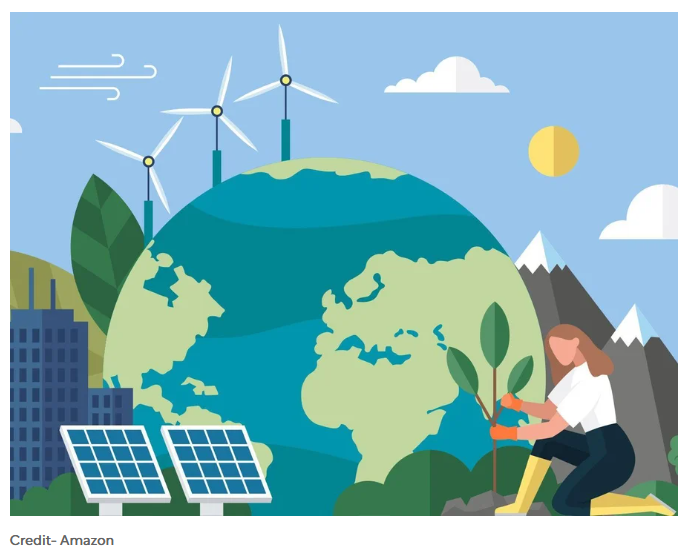
Apple, Unilever and Amazon are applying the triple bottom line to balance supply chain sustainability with company profit across global operations
The triple bottom line is a model that guides companies to measure success beyond financial returns.
Apple, Unilever and Amazon embed this framework into their supply chain strategies to balance profit with social responsibility and environmental care.
Through aligning operations with people, planet and profit, they aim to reduce risk, improve resilience and meet consumer and investor expectations.
Understanding the triple bottom line in supply chains
The triple bottom line concept originates in the 1990s when John Elkington proposes companies should focus on three equal priorities: people, planet and profit.
The framework supports long-term profitability by linking corporate growth to environmental and social responsibility across supply chains.
The European Investment Bank explains that the three objectives require companies to adopt fair hiring practices, reduce carbon emissions, promote conservation, avoid land damage and respect neighbourhoods.
These measures shape how procurement, production and logistics networks are designed and managed.
Non-profit organisation B Label Global certifies thousands of companies for sustainability and environmental standards, providing assurance that supply chains adhere to the triple bottom line framework.
The Corporate Governance Institute says that companies need to incorporate the triple bottom line as a critical metric in order to create a well rounded sustainable strategy.

Supply chain performance data can show progress in health, competitiveness and stakeholder engagement, appealing to both consumers and investors.
Gelsomina Vigliotti, Vice President of the European Investment Bank, highlights the institution’s broader role: “Throughout the decades, the EIB Group expanded its business beyond the European Union, funded a subsidiary dedicated to financing small and medium enterprises, the European Investment Fund and decided to dedicate 50% of its activity to the fight against climate change.

“More missions. More purpose.
“Nowadays, our action is framed by various objectives in the areas of climate and environment, cohesion, digitalisation, human capital, sustainable cities, sustainable energy and natural resources.
“These targets allow us to develop effective actions and business.
“I am convinced that these missions are our main strength.
“They allow us to evolve over time, while remaining the financing partner of choice for governments, institutions and companies.”
Apple’s supply chain shifts
Apple incorporates the triple bottom line into supply chain operations by transitioning its manufacturing to renewable energy sources including solar and wind.
This shift reduces carbon emissions generated in the production process. The company also redesigns product packaging to eliminate plastic and reduce materials through smaller, more efficient boxes.
Alongside these changes, Apple invests in global reforestation projects, providing community benefits while improving natural ecosystems. These actions strengthen supply chain resilience by reducing reliance on scarce resources and lowering environmental impact.
Lisa Jackson, Vice President of Environment, Policy and Social Initiatives at Apple, says: “The Restore Fund is an innovative investment approach that generates real, measurable benefits for the planet, while aiming to generate a financial return.
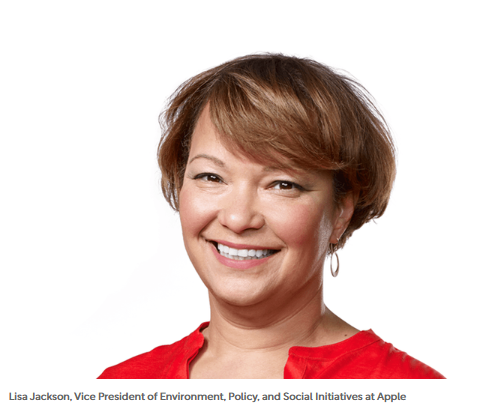
“The path to a carbon neutral economy requires deep decarbonisation paired with responsible carbon removal and innovation like this can help accelerate the pace of progress.”
Sustainability across procurement networks
Unilever extends the triple bottom line into supply chain planning with four main areas of focus: climate, nature, plastics and livelihood. The company supports farmers’ growth, builds resilience throughout the value chain, strengthens small retailers and advances towards paying suppliers a living wage.
Since 2021, Unilever has reduced its Scope 3 emissions from forest, land and agriculture by 14%, showing supply chain progress.
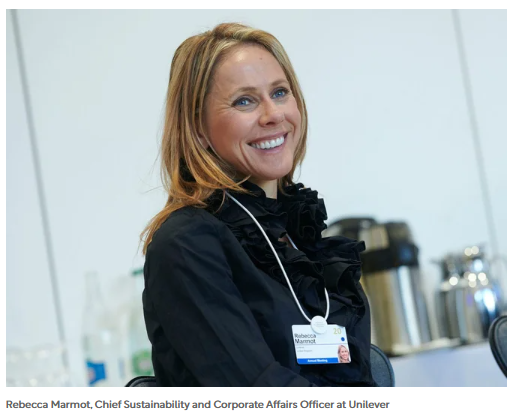
Rebecca Marmot, Chief Sustainability and Corporate Affairs Officer at Unilever, explains: “We’ve made strong strategic choices about where to focus and have made encouraging early progress against our goals.
Amazon sets a target of reaching net zero by 2040, embedding sustainability directly into procurement, logistics and energy use.
Its operations provide 81 million meals globally while working towards halving food waste across Europe and the US by 2030.
Training for sourcing and procurement teams improves supplier working conditions and the Climate Pledge initiative brings major companies together to pursue joint sustainability action.
Since 2023 Amazon has matched 100% of its electricity use with renewable energy projects located in areas where emissions reduction is most urgent.
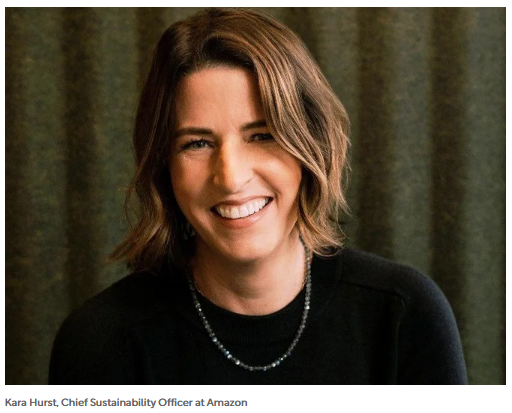
Kara Hurst, Chief Sustainability Officer at Amazon, says: “Amazon isn’t just the top corporate purchaser of solar and wind, we’re also prioritising projects in the locations where they can have the biggest impact on curbing emissions and improving the local environment.”
Through embedding the triple bottom line into supply chains, Apple, Unilever and Amazon link profitability with environmental and social responsibility.
Their strategies show how global companies use procurement, sourcing and logistics to balance growth with sustainability, meeting the expectations of consumers, investors and communities.
Article Credit: supplychaindigital