
Every step toward sustainability strengthens the industry’s foundation and supports the people driving it.
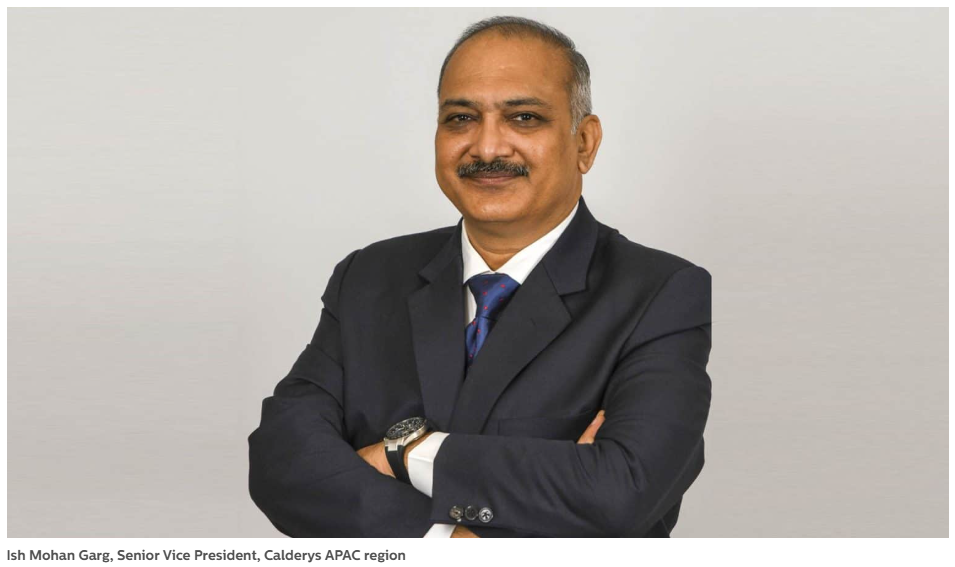
For refractory producers, the conversation around sustainability is shifting. Traditionally seen through the lens of cost, regulation, or compliance, sustainability is now increasingly recognised as a business enabler, one that supports long-term resilience, market relevance, and operational efficiency.
This is especially true for a sector deeply embedded in some of the world’s most energy- and resource-intensive industries—steel, cement, and non-ferrous metals. These downstream customers are under growing pressure to decarbonise, and that pressure will only continue to travel upstream.
Refractory manufacturers, by virtue of their positioning in these supply chains, are uniquely exposed to evolving demands—but also uniquely positioned to contribute.
Sustainability in refractories: A matter of strategy, not slogans
The refractory industry really leans on processes that involve super high temperatures and raw materials that have to be mined out of the ground. Because of this, the field faces challenges with limits on resources, expensive energy bills, and close scrutiny from environmental groups. But there’s a silver lining: this situation opens the door for some creative thinking in process changes and careful choices about where materials come from, all to make things more sustainable.
For example, production systems that reduce dust exposure, improve raw material control, and enable closed-loop reuse of microfine particles are not only environmentally smarter—they also improve batch consistency, reduce waste, and support better product performance.
The integration of technologies like automated batching, enclosed material handling, and manufacturing execution systems (MES) has started to bring more transparency and discipline to operations. While adoption is still evolving across the sector, such systems are showing how better data and control can lead to smarter resource use and reduced variability.
Rethinking the value chain: Local sourcing and shared value
Sustainability is also about building value chains that are less fragile and more inclusive. Many refractory producers are exploring ways to strengthen local procurement and invest in regional ecosystems. This isn’t just about reducing logistics emissions—it also lowers exposure to commodity price swings and creates skilled employment in underrepresented areas.
The concept of shared value—where business growth is aligned with community development and long-term local partnerships—is gradually gaining ground in the industry. This is especially relevant as manufacturers look to de-risk global supply chains and build localised competitiveness.
Worker well-being: At the heart of sustainable operations
Refractory plants can be physically demanding. Therefore, implementing sustainability must include meaningful consideration of health and safety.
Many examples from the industry illustrate how dust containment systems, controlled feeding systems, and automation can reduce worker exposure and improve workplace safety. Real-time quality checkpoint inspections and automatic shutdowns on non-conformance contribute to a safer, more predictable working environment.
Importantly, there is growing recognition that sustainability includes cultural shifts, where safety is a shared priority, not only for our own workforce but also for workers across the value chain.
Innovation with practical purpose
Real progress lies in incorporating secondary raw materials to achieve equal or better performance, going beyond rigid formulations and instead experimenting with reclaimed resources to match the capabilities of virgin raw materials.
Sustainability also becomes real when it’s connected to how refractory producers innovate, from how recipes are developed to how they are monitored and maintained. Centralised systems that lock recipes, track batches, and prevent manual overrides can reduce material loss and support consistency, especially at scale.
In parallel, environmental infrastructure—like rainwater harvesting systems, waste treatment facilities, and energy-saving process upgrades—is becoming part of the conversation. These measures, while not always easy or quick to implement, are being driven by a wave of innovation that’s reshaping how the industry approaches sustainability. From smart monitoring systems to circular resource models, such initiatives reflect an industry increasingly aware of the need to balance short-term output with long-term impact.
A sector in transition—With a shared role to play
No one in the refractory industry claims to have fully understood the sustainability equation. It’s a journey still in motion. But what’s becoming clear is that integrating sustainability into business strategy isn’t just about reporting—it is about building smarter, safer, and more resilient organisations.
For producers navigating energy volatility, rising expectations from stakeholders, and a more resource-constrained world, sustainability offers a way to move forward with purpose.
And perhaps most importantly, it’s a shared opportunity. Whether through cross-sector collaboration, improved safety practices, or incremental process upgrades, every step toward sustainability also helps build a more resilient foundation for the industry and the people who power it.
Article Credit: manufacturingtodayindia