
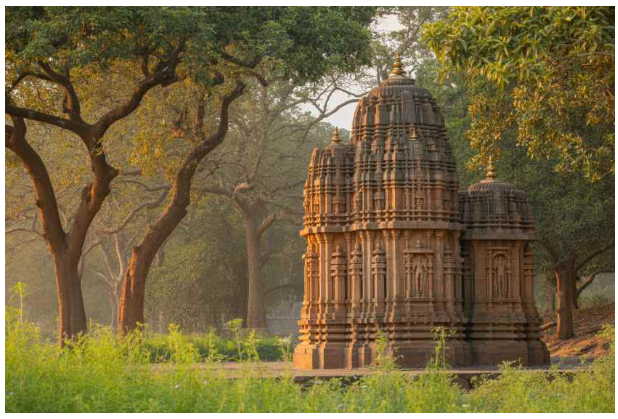
Madhya Pradesh, one of India’s most culturally rich and diverse states, has recently embarked on a transformative journey to make its tourism sector more inclusive. From the majestic Sanchi Stupa to the renowned Khajuraho temples, the state is making notable strides in ensuring that every visitor, regardless of ability, has the chance to explore its rich heritage, stunning wildlife, and vibrant culture. This shift towards accessible tourism is gaining momentum, with the Madhya Pradesh Tourism Board (MPTB) prioritizing universal access as part of a larger national movement. As part of India’s Accessible India Campaign, the state is reshaping its tourism infrastructure, providing equal opportunities for travelers of all abilities to enjoy its vast offerings.
In line with this vision, Madhya Pradesh is not just improving physical accessibility but also fostering a more inclusive mindset in its hospitality industry. With major tourist destinations upgrading their facilities, introducing barrier-free access, and focusing on providing top-tier services for differently-abled travelers, the state is setting a remarkable example in the travel industry. These efforts align with the Harit Sagar – Green Port Policy, emphasizing sustainability and inclusivity while promoting tourism as a force for good.
Key Efforts in Madhya Pradesh’s Accessible Tourism Vision
- Accessible Heritage Sites: The state’s famous landmarks, including Sanchi Stupa and the Khajuraho Group of Monuments, are being reimagined with tactile pathways, Braille plaques, and wheelchair-friendly routes, allowing all visitors to experience these ancient marvels.
- Wildlife Accessibility: Van Vihar National Park in Bhopal has become a beacon for accessible wildlife tourism. The park now offers smooth roads, electric vehicle access, and wheelchair-friendly entrances, ensuring everyone can enjoy its lush biodiversity.
- Railway Station Accessibility: As part of the Amrit Bharat Station Scheme, Madhya Pradesh is upgrading its railway stations, including Jabalpur, Gwalior, and Katni South, with accessible restrooms, ramps, and tactile systems to improve ease of travel for passengers with mobility challenges.
- Inclusive Hotels and Homestays: Major hotels and accommodations in Bhopal, Indore, and other cities, such as Radisson Bhopal and Taj Lakefront, are now offering accessible rooms and specialized services, setting a new standard for hospitality inclusivity.
- Training Programs: The state’s tourism industry is also enhancing its accessibility through training programs for hotel staff, guides, and other tourism professionals to better serve visitors with disabilities.
Accessibility in Iconic Heritage Sites
Madhya Pradesh is home to some of India’s most iconic heritage sites, and its commitment to accessibility ensures that these attractions are available to all travelers. One of the primary locations benefiting from this transformation is Sanchi Stupa, an ancient Buddhist monument that draws pilgrims and tourists from across the globe. The monument has been reworked to include tactile pathways that guide visually impaired visitors, alongside informational plaques written in Braille, enhancing the experience for everyone. The introduction of wheelchair-accessible routes throughout the site ensures that every visitor, regardless of mobility, can experience its historical and spiritual significance.
Similarly, Khajuraho, home to the UNESCO World Heritage-listed temples, has seen significant upgrades. This historic site now includes ramps and handrails at various temple locations, making it more accessible. Audio guides and other sensory-friendly facilities are also in place to further enhance engagement for visitors with disabilities. These improvements ensure that the region’s breathtaking sculptures and intricate architectural designs can be appreciated by all, regardless of physical limitations.
Wildlife and Nature: Making Van Vihar National Park Accessible
Bhopal’s Van Vihar National Park has undergone major changes to accommodate travelers with mobility challenges. The park, which is known for its biodiversity and picturesque landscapes, now features smooth, well-maintained internal roads that allow easy access for wheelchairs and electric vehicles. The addition of wheelchair-friendly entrances and designated parking areas further enhances the experience for visitors with disabilities, ensuring that they can explore the park’s rich flora and fauna without obstacles.
Madhya Pradesh’s tourism infrastructure is not just focused on heritage and nature. The state is also committed to improving transportation accessibility for travelers with disabilities. Railway stations such as Jabalpur, Gwalior, Katni South, and Shridham are being retrofitted with accessible restrooms, ramps, and tactile guidance systems to make travel easier for passengers with physical challenges. These upgrades are part of the broader Amrit Bharat Station Scheme, a government initiative that aims to ensure that transportation hubs across India are fully accessible to all.
Hotels and Homestays: Setting New Standards for Inclusive Accommodation
The hotel industry in Madhya Pradesh is also embracing the accessibility trend, with hotels in key cities like Bhopal and Indore making significant efforts to cater to differently-abled guests. Leading hotels such as Radisson Bhopal, Taj Lakefront, and Lemon Tree Indore have introduced specialized amenities, including accessible rooms with wider doorways, lower beds, and grab bars in bathrooms to ensure a safe and comfortable stay for all visitors. These properties are setting a new standard for inclusive hospitality, demonstrating that accessible accommodations can provide the same level of luxury and comfort as any other.
In addition to physical upgrades, these hotels are investing in training programs for their staff to ensure that guests with disabilities receive personalized, high-quality service. The hospitality industry in Madhya Pradesh is evolving to meet the needs of a diverse set of travelers, including those with mobility or other disabilities, by fostering an environment of inclusivity.
Cultural Events and Festivals: Ensuring Accessibility for All
As Madhya Pradesh gears up for the festive season, accessibility is becoming an integral part of its cultural events and festivals. Iconic events such as the Tansen Samaroh, Mandu Utsav, and the Khajuraho Dance Festival draw tourists from around the world. These events will now be more accessible than ever before, with upgraded infrastructure such as ramps, tactile paths, and accessible seating arrangements being implemented at key venues.
The state’s commitment to accessibility ensures that visitors with disabilities can fully participate in the cultural richness of Madhya Pradesh, from music and dance performances to vibrant festivals that celebrate the state’s heritage. By making these events inclusive, Madhya Pradesh is proving that cultural and heritage tourism can be enjoyed by everyone, irrespective of their physical challenges.
A National Benchmark for Inclusive Tourism
Madhya Pradesh’s strides in accessible tourism are setting a national benchmark. The state is demonstrating that tourism can be for everyone, regardless of ability, by making its famous monuments, parks, hotels, and festivals accessible to all. By investing in infrastructure, providing specialized services, and fostering an inclusive mindset, Madhya Pradesh is creating a tourism ecosystem that embraces diversity and equality. The state’s focus on accessibility aligns with the Government of India’s broader goals to make tourism more inclusive and sustainable, ensuring that all travelers, regardless of ability, can experience the beauty and heritage of India’s heartland.
As Madhya Pradesh continues to improve its tourism offerings, it is positioning itself as a leader in inclusive and accessible tourism. By combining innovative infrastructure upgrades with a commitment to disability awareness and cultural inclusivity, the state is not only making its attractions accessible but is also setting a powerful example for other regions in India and beyond to follow. The future of travel in Madhya Pradesh is one where accessibility is not just an afterthought, but a core principle of how tourism is experienced.
Key Takeaways:
- Madhya Pradesh is leading India’s charge toward accessible tourism with key upgrades at heritage sites, parks, and hotels.
- Iconic sites like Sanchi Stupa and Khajuraho are now more accessible, featuring tactile pathways and wheelchair-friendly routes.
- The state’s tourism infrastructure is being revamped, with accessible railway stations, parks, and accommodations for differently-abled travelers.
- Major cultural events like the Tansen Samaroh and Khajuraho Dance Festival are becoming more inclusive, ensuring all visitors can participate.
- Madhya Pradesh is setting a national standard for inclusive tourism, proving that travel can be for everyone, regardless of ability.
Article Credit: travelandtourworld